
About the Program
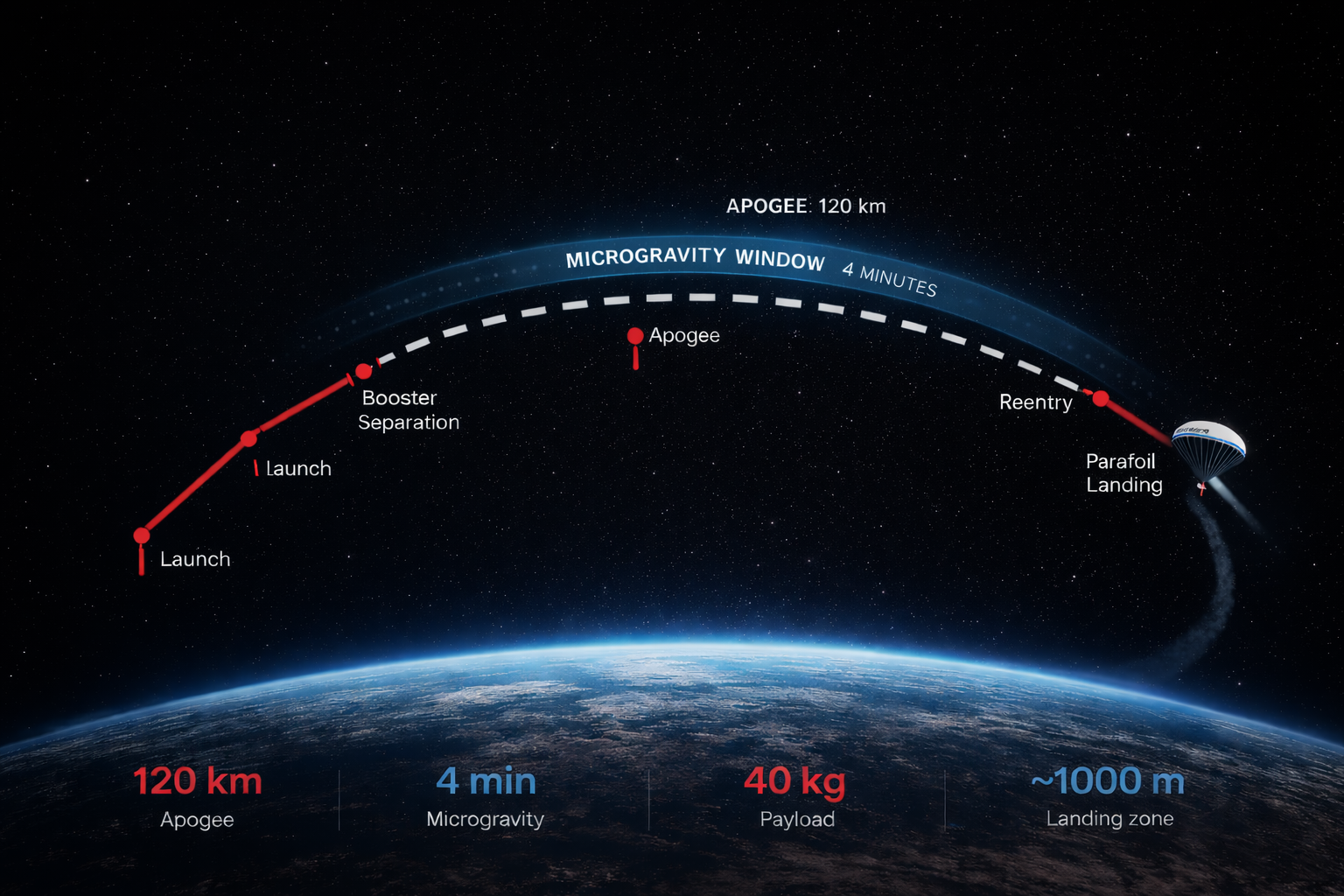
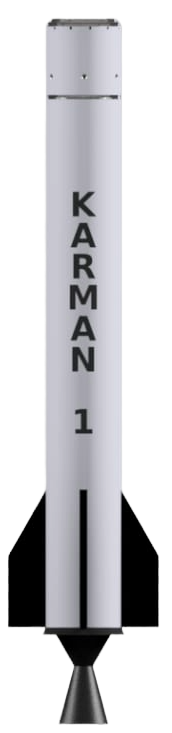
KARMAN is a suborbital research platform designed to provide affordable and frequent access to microgravity environments. The vehicle enables universities, research laboratories, startups and technology developers to conduct experiments , test and validate payloads in real flight conditions .
With an apogee of 120km, It offers several minutes of near-microgravity conditions, allowing researchers to study scientific phenomena that cannot be reproduced in conventional laboratory environments.
The platform bridges the gap between ground testing and orbital deployment, enabling rapid technology validation before committing to expensive satellite missions.
Why KARMAN Exists
Access to space-based research environments remains extremely limited with no dedicated suborbital launch systems offering regular, reliable, and affordable access for universities, startups, and research organizations. Traditional orbital launches require large budgets, long lead times, and complex mission planning.
At the same time, a growing range of space technologies — including satellite subsystems, onboard electronics, and propulsion systems — require validation in real microgravity and flight conditions before orbital deployment.
KARMAN was developed to address this gap by creating a flexible, affordable and accessible suborbital research platform.
The program focuses on enabling:
- Universities conducting academic research
- Startups validating space technologies
- Student teams building space experiments
- Research institutions studying microgravity physics
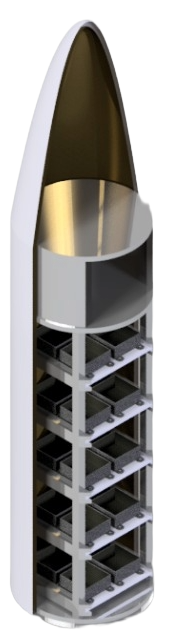
Through a rideshare model, multiple payloads can fly on a single mission, significantly reducing cost barriers while maintaining frequent access to flight opportunities.